

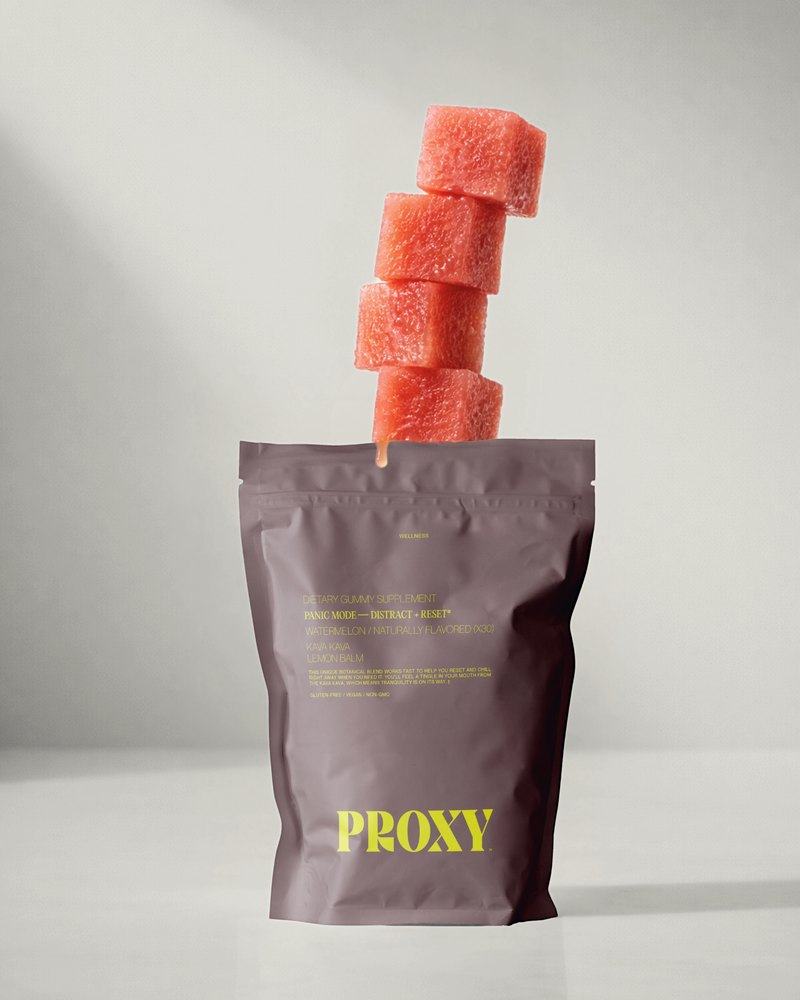
If kava and ashwagandha are the cool new kids in the calm aisle, lemon balm is the friend who's been quietly chilling in your grandma's tea cabinet for decades. It smells like lemon, it's in the mint family, and it's having a bit of a moment. So what is it actually good for?
What is lemon balm?
Lemon balm (Melissa officinalis) is a leafy herb in the mint family, native to the Mediterranean and western Asia. Rub a leaf between your fingers and it smells bright and lemony. People have brewed it into teas and tonics for centuries, mostly for relaxation and winding down.
What the research says
Let's be honest about this part, because the internet loves to oversell herbs.
- Stress and anxiety: A review of six small randomized trials found people taking lemon balm had lower anxiety scores than people taking a placebo overall. But the studies were small and very different from each other, and the results weren't consistent across every type of anxiety. Translation: promising, not proven.
- Mood: The same research found some short-term improvement in low mood compared with placebo.
- Sleep: Lemon balm is often paired with other herbs like valerian for sleep. In one trial, women with menopause-related sleep problems slept better on a lemon balm and valerian combo, though the placebo group improved too.
So: a gentle, well-loved herb with some encouraging early research. Not a cure for anything, and not a replacement for real care.
How people use lemon balm
- Tea: The classic. Steep the dried or fresh leaves in hot water. It's a lovely evening ritual even on its own.
- Capsules and extracts: More concentrated, and what most studies use.
- Blends: Lemon balm often shows up alongside other calming botanicals. It's one of the two stars in our Panic Mode gummy, paired with kava. (See the whole lineup in our calm support gummies.)
Lemon balm vs. other calm-support ingredients
Every ingredient has its own personality. Lemon balm is the soft, gentle one. Ashwagandha is the slow build you take daily for weeks. L-theanine is the calm-but-clear one from tea. If you want the full breakdown on those two, read ashwagandha vs. L-theanine.
Calm rarely comes from one magic ingredient. It comes from small rituals you actually keep doing.
Safety stuff (please read)
- In clinical trials, lemon balm has generally been well tolerated, with few side effects reported.
- Long-term safety data is limited, and there isn't enough information on safety during pregnancy or breastfeeding, so skip it or ask your doctor first if that's you.
- Because it's used for relaxation, be thoughtful about combining it with other things that make you drowsy, like alcohol or sleep aids.
- Always check with your doctor before adding a new supplement if you take an SSRI or any other medication, or have a health condition.
Quick answers
What is lemon balm good for?
It's traditionally used for relaxation and winding down. Small studies suggest it may help with stress, mood and sleep, but the research is early and mixed.
Does lemon balm make you sleepy?
It's generally considered calming rather than knock-you-out sedating, and it's often combined with other herbs like valerian for sleep.
Is lemon balm tea good for anxiety?
Lots of people find a cup of lemon balm tea a soothing ritual. It's not a treatment for anxiety, but it can be a nice part of a calm routine.
Can I take lemon balm every day?
Studies have mostly looked at short-term use, so talk with your doctor about longer-term or daily use, especially if you take medication.